

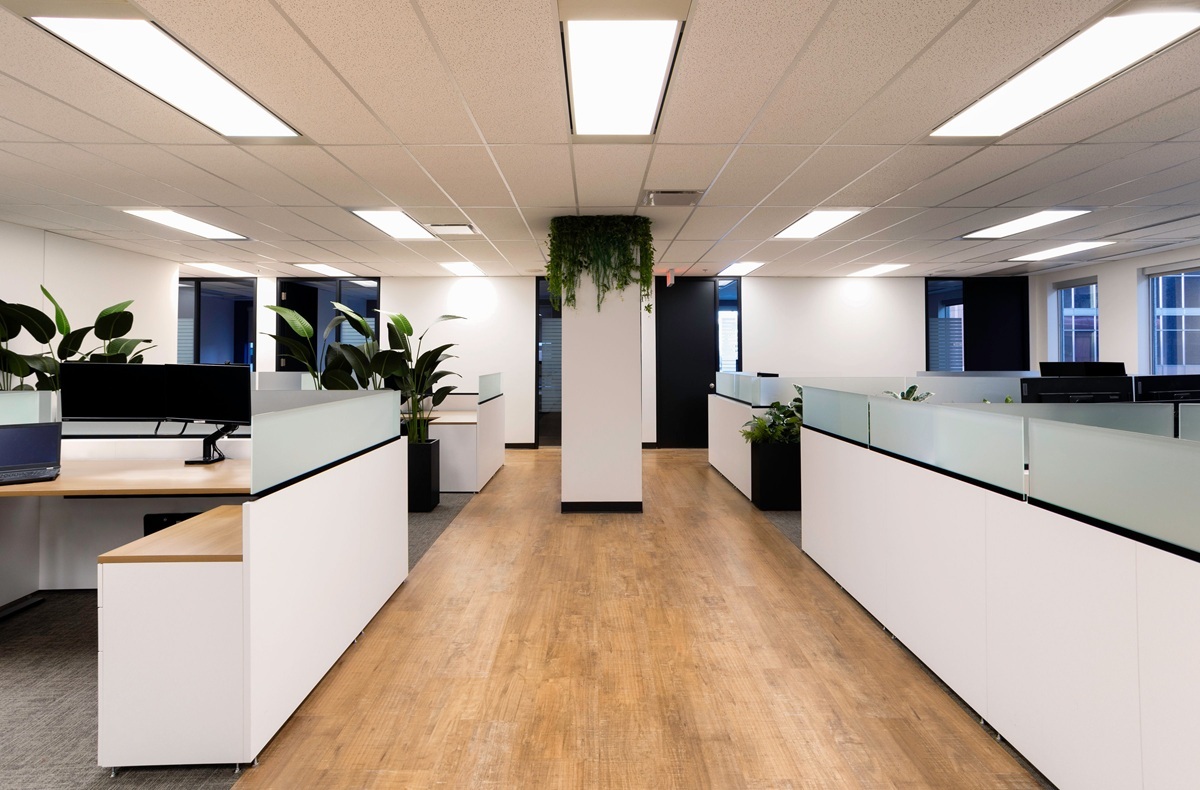
Many organizations view office furnishings and workspace design as operational necessities rather than strategic business assets. However, the physical environment in which employees work has a direct impact on productivity, engagement, and ultimately financial performance.
An inefficient office creates hidden costs that often go unnoticed. Poor layouts, inadequate workstations, and uncomfortable seating introduce friction into daily activities. Employees spend more time managing distractions, experiencing physical discomfort, or adapting to spaces that do not support their work. While these inefficiencies may seem minor individually, their cumulative effect can significantly reduce organizational output.
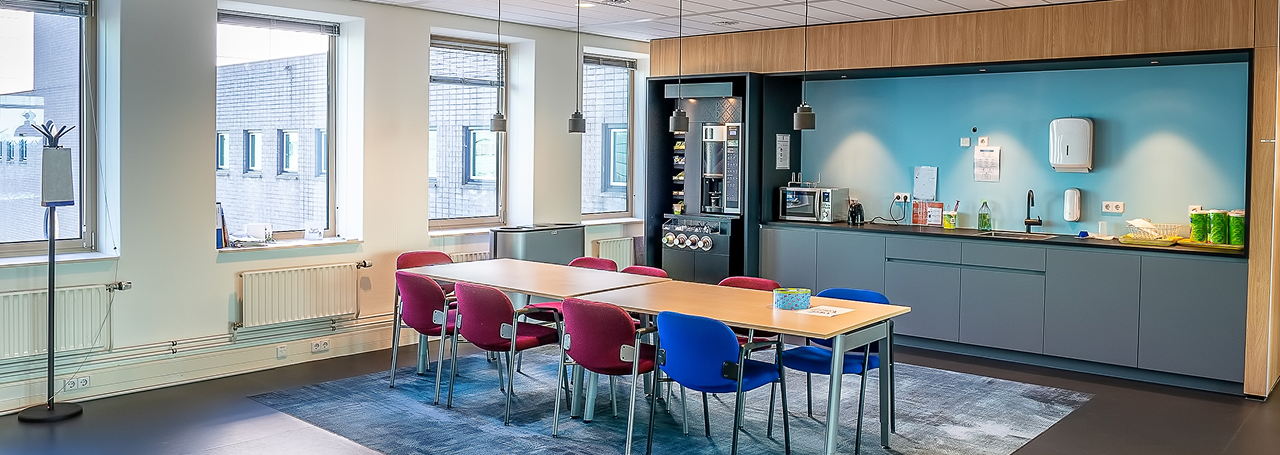
Research supports the connection between workplace quality and performance. A study conducted by the University of Exeter found that thoughtfully designed work environments can improve productivity by as much as 15%. Similarly, findings from the International Facility Management Association indicate that workplace clutter and poor organization contribute to higher stress levels and reduced efficiency.
The most successful organizations recognize that workplace design is not primarily about appearance. It is about creating conditions that enable employees to perform at their highest level. Functional workstations, ergonomic seating, and well-planned office layouts help reduce fatigue, improve focus, and support sustained productivity throughout the workday
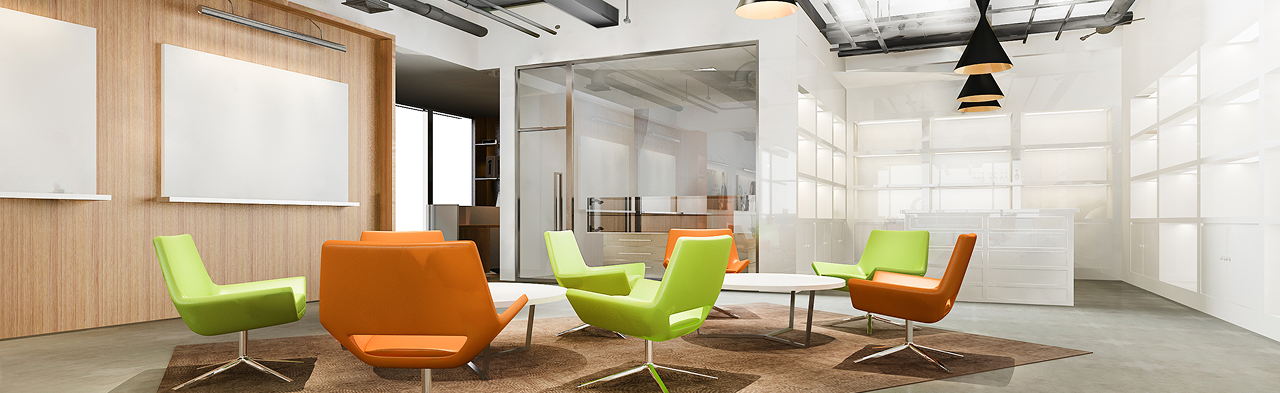
Modern office environments are increasingly designed around how people work rather than simply where they work. Spaces that promote organization, comfort, and efficiency allow teams to focus their attention on value-generating activities instead of overcoming unnecessary obstacles. The result is improved performance, stronger employee satisfaction, and greater operational effectiveness.
Workplace quality also plays an important role in attracting and retaining talent. Employees who feel supported by their environment are more likely to remain engaged and committed to their organization. Over time, this contributes to lower turnover costs and greater organizational stability.
Conclusion
A workplace should be viewed as an investment in performance rather than a cost of doing business. Organizations that prioritize efficient layouts, modern workstations, and ergonomic seating create environments that support productivity, employee well-being, and long-term growth. In a competitive market, the office is more than a place where work happens—it is a business asset that can influence the success of the entire organization.